Cannabis Reclassification: What It Means for California Consumers (and Toasty CA)
If you’ve seen headlines about cannabis being “reclassified,” you’re not imagining things — big changes are in motion. While cannabis isn’t suddenly federally legal, recent legislative developments could have meaningful ripple effects across the industry, including right here in California.
So what’s actually happening, and what does it mean for you as a consumer? Let’s break it down — Toasty style.
What Is Cannabis Reclassification?
Currently, cannabis is classified at the federal level as a Schedule I substance, a category reserved for drugs considered to have no accepted medical use and a high potential for abuse.
In 2024, federal agencies formally recommended reclassifying cannabis to Schedule III, a category that includes substances recognized to have medical value and a lower risk profile.
Important note:
Reclassification is a process, not a switch. While recommendations have been made and reviewed, cannabis remains federally illegal for now — but this shift signals major momentum.
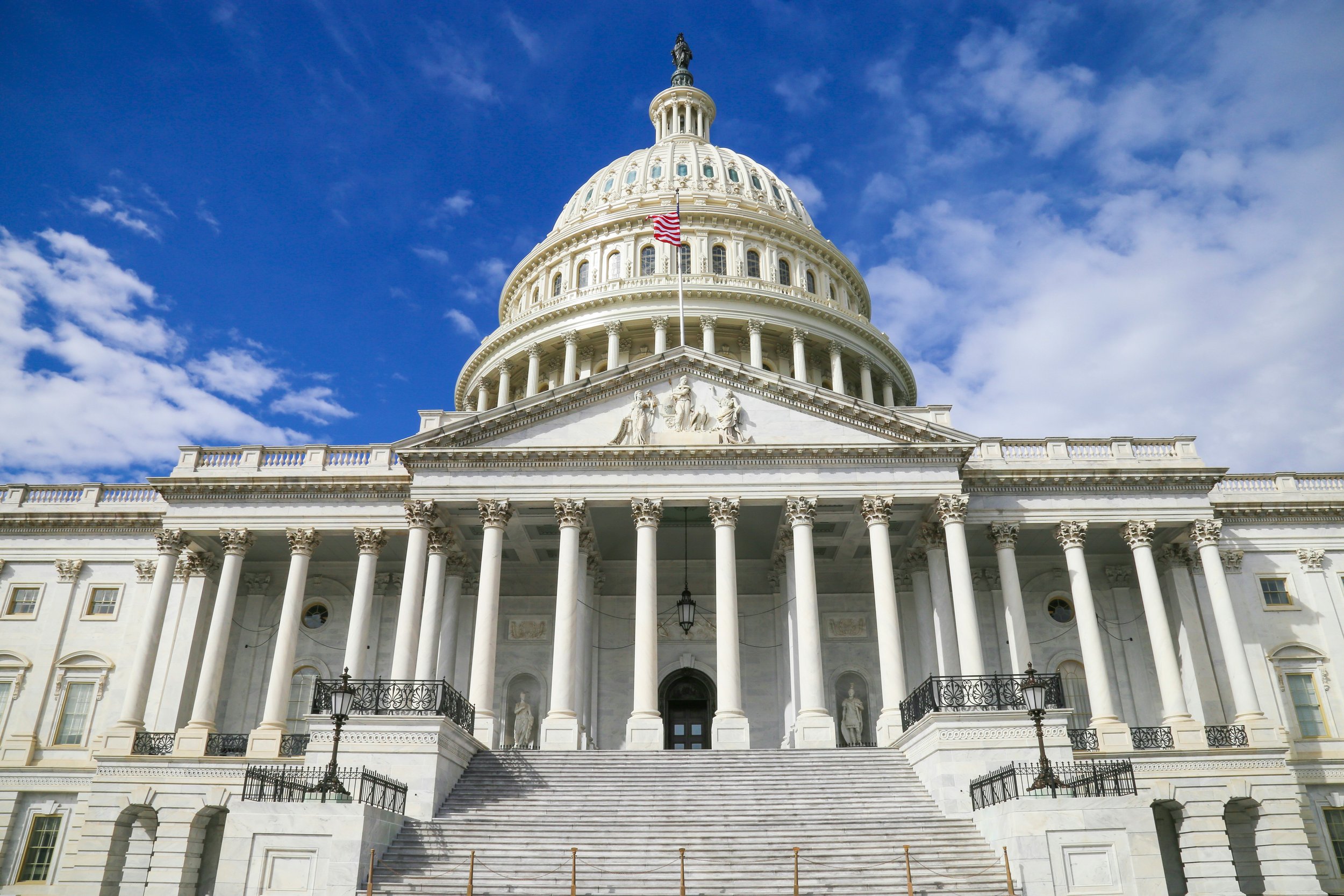
A shift is underway. Cannabis remains Schedule I federally, but in 2024, agencies recommended reclassifying it to Schedule III, signaling growing recognition of its medical use.
Why This Is a Big Deal
Reclassification doesn’t mean dispensaries pop up nationwide overnight — but it does open the door to meaningful changes behind the scenes.
Key potential impacts include:
Reduced Tax Burden for Cannabis Businesses
A major issue for licensed operators has been IRS Code 280E, which prevents cannabis businesses from taking standard tax deductions.
If reclassification is finalized, many businesses could finally deduct normal operating expenses — improving stability and sustainability.
Increased Industry Legitimacy
Moving cannabis out of Schedule I acknowledges what consumers already know: cannabis is widely used, regulated, and part of modern wellness and lifestyle culture.
Expanded Research Opportunities
Schedule III status would make it easier to conduct federally approved research, potentially leading to better consumer education and product innovation over time.
What This Means for California Cannabis Consumers
For customers ordering cannabis delivery in California, the day-to-day experience won’t suddenly change — and that’s a good thing.
You can expect:
Continued access through licensed, regulated providers
The same state-level compliance and safety standards
More long-term stability across the industry
Over time, these shifts could support:
Better product consistency
More innovation
A healthier, more transparent market
What This Means for Toasty CA
At Toasty CA, we’ve always operated with a long-term mindset: compliance first, community always.
Reclassification reinforces what California has been building for years — a regulated cannabis system rooted in accountability, safety, and consumer trust. As the landscape evolves, our commitment stays the same:
Licensed operations
Clear communication
Responsible delivery
Chill, no-pressure service
In other words: we’re here to keep things smooth while the industry levels up.
What Happens Next?
Federal agencies are continuing the formal review process, and timelines can shift. While reclassification is a positive signal, it’s not the final chapter.
We’ll be keeping an eye on developments and breaking things down as updates become official — no jargon, no panic, no hype.
Final Takeaway
Cannabis reclassification doesn’t change everything overnight — but it does mark an important step toward a more stable, transparent future for the industry.
And here in California?
We’ll keep doing what we do best: delivering chill, responsibly.
Stay Toasty.
